
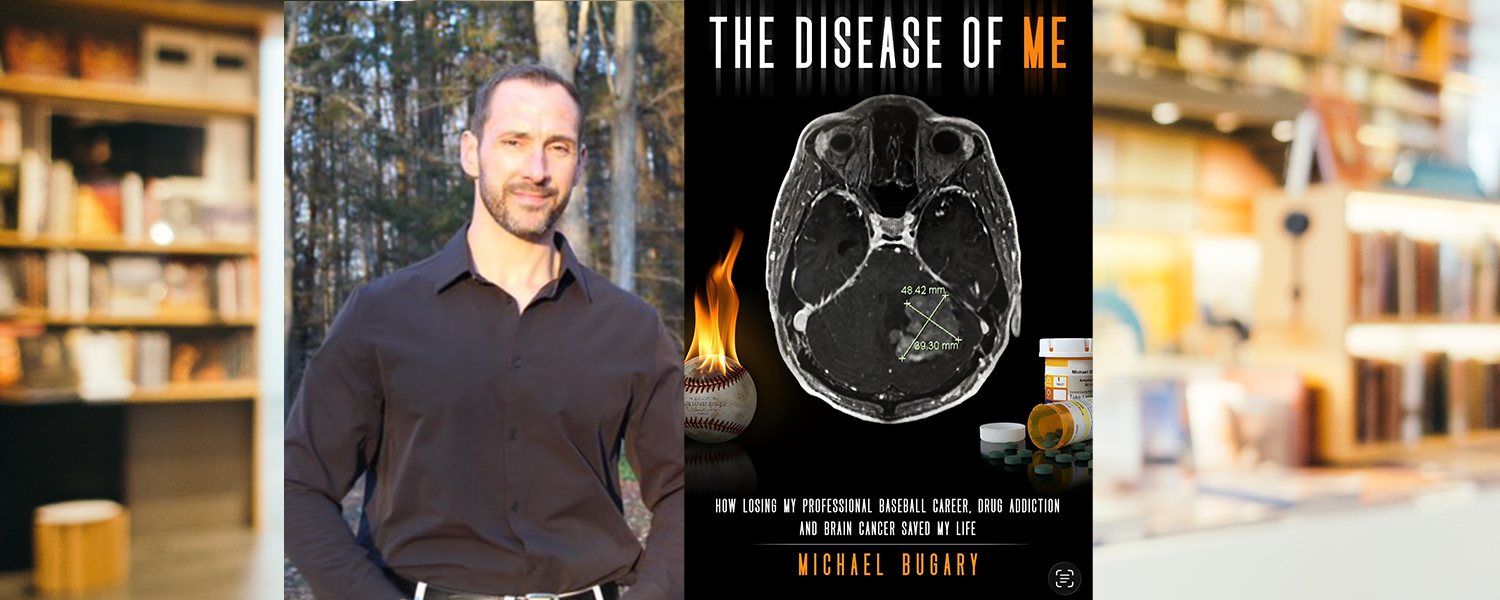

When Michael Bugary '23 looks at his first published book, "The Disease of Me," he still feels a little surprised. “I was reading the final edit and thought, ‘Who wrote this?’� he said with a laugh.
But behind that humor is a long road through sports injuries, cancer treatment, addiction, recovery and rebuilding his life. Today, the 51³Ô¹ÏÍø at Ashtabula graduate is a motivational speaker, author and mentor. His book tells the story of how he learned to face his past, take responsibility for his actions and build a sense of self‑worth that doesn’t depend on other people’s approval.
A former standout Division I and then professional baseball player, Bugary’s once-promising career was cut short by injury. Admittedly, it was pride and ego during his rehabilitation that led him to make poor choices into what he calls a self-destructive collapse into addiction and the “disease� that manifested not in his body, but in his mind.
Then, a brain cancer diagnosis began to turn things around and his journey through recovery – both from addiction and cancer – ultimately saved his life. It’s a story that he has been open about and willing to share and talk about for several years now.
Writing the book, however, wasn’t something he ever thought he would do. In fact, he resisted the idea for years, even when friends said he needed to tell his story. But as he moved into public speaking, the question kept coming up: Do you have a book? That pushed him to commit. He even said publicly on a podcast that he’d finish the book by the end of the year — partly so he couldn’t back out. “There were too many times in my life when I said I’d finish something and didn’t,� he said. “I needed to follow through.�
Once he began writing, something shifted. It became more than a professional step. It became healing. “I remembered things I had forgotten. I went into more detail than I ever could onstage. I put my soul into it,� he said.
A Story Told Honestly — and the Challenge of Writing It
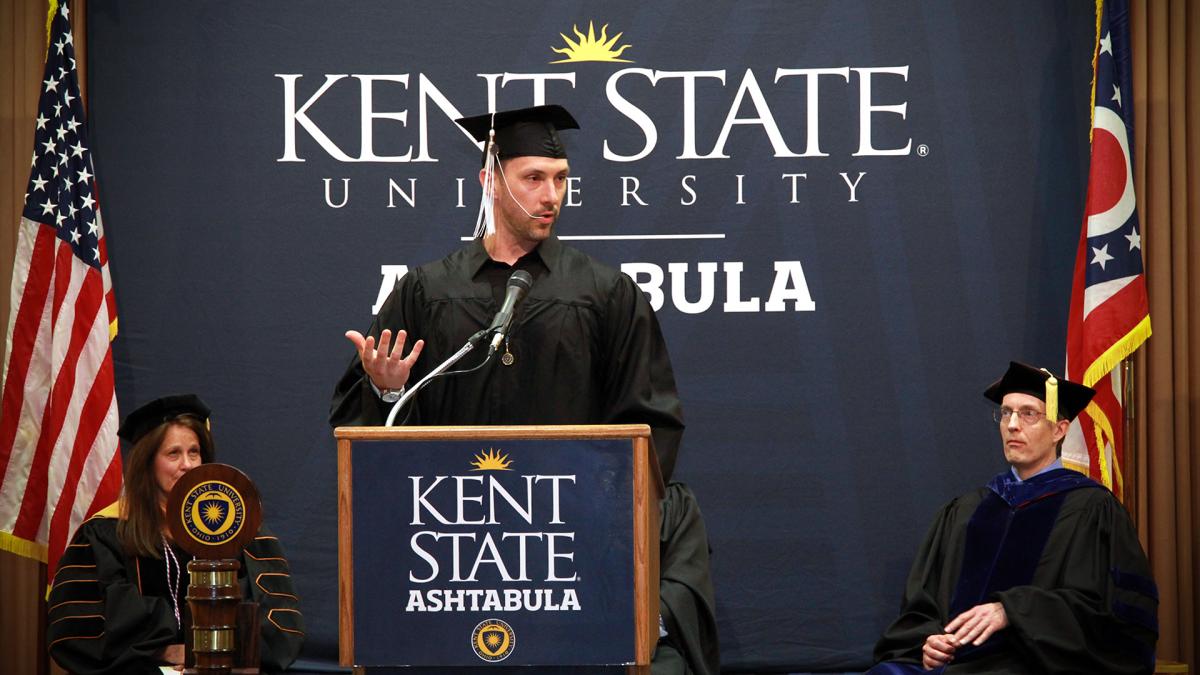
Even though Bugary has shared his experiences with many audiences – including serving as a graduate commencement speaker at 51³Ô¹ÏÍø Ashtabula’s spring 2023 ceremony – writing about them felt different. “It’s more intimate,â€� he said. “You know the whole world might read it. That part is scary.â€�
To make the story meaningful for readers, he organized the book into four parts, each with three chapters:
- defining the “disease of me;�
- explaining his toughest hardships, what he calls “the Triple Crown of Adversity;�
- sharing the solutions he learned; and
- focusing on what he gained through recovery and responsibility.
He had to decide what to include — and what not to. At one point, he cut about 10,000 words. “I wanted to make sure I wasn’t blaming anyone else for my past,� Bugary said. “Even when people hurt me, I needed to look at my part in it. That helped me decide which stories belonged in the book.�
Some chapters were harder to write than others. The baseball stories came easily. His struggles did not. “I had to face parts of myself I didn’t want to face,� he shared. “To help people, I had to be honest.�
The research sections — on cancer, neuroscience and behavioral psychology — took time, too. “I’m not an expert, so I wanted to explain things in a way anyone could understand,� he said.
Finishing the manuscript brought mixed emotions. Pride, relief, nervousness. “Some things in the book are very vulnerable and will be shocking to people who know me now,� he noted. “I think I’m still going through what it means to share all of that.�
But Bugary hopes the story reaches people who need it — the same way others’ stories helped him during the darkest moments of his life. “It wasn’t one therapist who changed me,� he said. “It was other people who had skin in the game. I hope my story can do the same.�
Finding His Voice — And Using It to Help Others
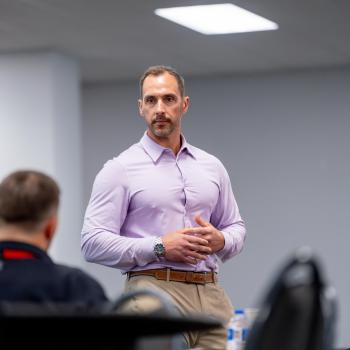
Bugary now speaks to a wide variety of groups — from schools and athletic programs to treatment centers and from hospitals to correctional facilities. In one memorable evening, he spoke at a formal awards banquet and then a few hours later in front of 250 incarcerated men. “And the feeling was the same,� he said. “The connection was the same.�
He tailors each talk while keeping his core message consistent: Build your self‑worth from the inside out. Help others. Take responsibility for your life. “I have stories about addiction, cancer and sports,� he said. “But the message stays the same no matter where I am.�
Bugary wants to spend more time speaking in schools, especially with young athletes. “With social media, so many young people base their value on other people’s approval. My story connects with them. And I’m still young enough that they’ll listen,� he said.
Telling his story over and over can be draining. So, he protects his own recovery with routines and boundaries. He visits cancer patients and children at UH Rainbow Babies & Children’s Hospital with his therapy dog, Lingo — not for publicity, but because helping others helps him (though Lingo has become somewhat of a local celebrity at the hospital as well as on the Ashtabula Campus). He sticks to his gym routine; sets aside quiet time; and watches for signs that he’s slipping into old habits. “If I start caring too much about views or likes, something’s wrong,� he said. “Discipline and small wins are what keep me grounded.�
He’s still figuring out what success looks like. “Two years ago, I didn’t think I’d have a book. Things change fast. Ideally, I’d like to speak 25 or 30 times a year and have enough to live on my farm, maybe start a dog sanctuary. But if my story helps even one person, that’s success to me.�
How 51³Ô¹ÏÍø Shaped His Path
Bugary credits 51³Ô¹ÏÍø Ashtabula with helping him rebuild the academic discipline, and the confidence, that became important in his recovery. “My first time in college, at a big university, there was no connection,â€� he said. “At Ashtabula, the relationships with my professors made a huge difference.â€�
He learned to study a little bit each day instead of cramming. He found a campus community that supported his education as well as his personal growth. His public speaking course with Professor (Laurie) Bentley came at the perfect moment, around the same time he was asked to share his story at a recovery center. “It all came together to help me become who I am now,� he said. “I owe everything to that experience.�
When he graduated and left campus as a commencement speaker, he said it felt like a full‑circle moment — one of the first times he stood in front of a large audience to share his journey. “I’m grateful 51³Ô¹ÏÍø Ashtabula gave me that opportunity.â€�
The Message He Hopes Readers Remember
If people only remember one thing from "The Disease of Me" or from hearing him speak, Bugary hopes it’s this: Give your time to someone else.
“Time is our most valuable thing,� he noted. “Give it freely, without expecting anything back. If you’re struggling, volunteer or help someone who needs it. It will change your life.�
Bugary looks forward to sharing more of his story, spending more time on campus and continuing to reach people who are searching for direction, especially young people. “I hope the book finds the right readers,� he said. “And I hope it helps.�
"The Disease of Me" is available for . Additional copies will be available for purchase at upcoming local book signings in the Ashtabula area. For a complete schedule of events or speaking engagements, visit .
###